When Your Doctor Closes the Door: How to Pursue a Specialist Referral You Believe You Need

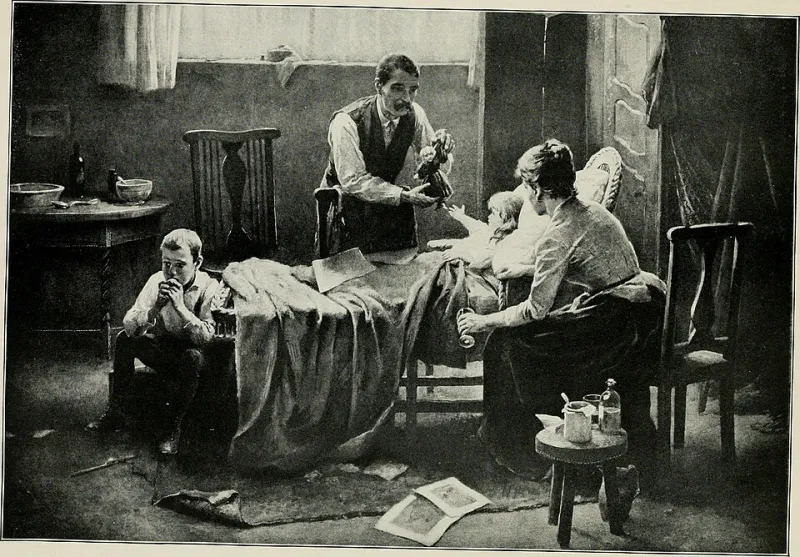
Photo: Unknown, CC BY 4.0, via Wikimedia Commons
For many Americans, the path to specialized medical care runs directly through the front door of a primary care physician's office. That single gatekeeper relationship can be enormously beneficial—a trusted doctor who knows your history, coordinates your care, and prevents unnecessary procedures. But what happens when that same gatekeeper says no?
A denied referral is one of the most frustrating experiences in modern healthcare. You arrive at your appointment with a concern, perhaps a persistent symptom that has resisted routine treatment, and you leave without the specialist appointment you came to request. Understanding why this happens—and what you are entitled to do about it—is a foundational piece of patient self-advocacy.
Why Primary Care Physicians Serve as Gatekeepers
The gatekeeper model did not emerge arbitrarily. Health maintenance organizations (HMOs) and many managed care plans were structured around the idea that primary care physicians could reduce unnecessary specialist visits, lower overall costs, and improve care coordination. In theory, your doctor filters out referrals that are clinically unwarranted, saving you from procedures that carry risk without proportionate benefit.
In practice, however, the system is imperfect. Physicians operate under real constraints: time pressure during appointments, insurance guidelines that define what qualifies as "medically necessary," and genuine clinical disagreement about when a specialist adds value. A referral that seems obvious to you may, from your doctor's perspective, fall short of the threshold required by your insurance carrier—or may reflect a difference in clinical judgment that is legitimate, even if it is difficult to accept.
Neither motivation makes the denial less frustrating. But distinguishing between the two matters, because your response strategy will differ depending on which obstacle you are actually facing.
The Insurance Variable: Understanding Medical Necessity Criteria
Before concluding that your physician is simply being dismissive, it is worth asking a direct question during your appointment: Is this a clinical decision, or is this a coverage limitation?
Many physicians are reluctant to refer patients to specialists when they know an insurer will deny the claim. The result is a pre-emptive denial—your doctor says no on behalf of your insurance company before the company has had the chance to say no itself. This is sometimes called a "soft denial," and it is more common than most patients realize.
If insurance is the underlying issue, request documentation. Ask your doctor to put in writing that a referral would be clinically appropriate but is being withheld due to coverage concerns. This documentation becomes essential if you choose to file an appeal with your insurer. Under the Affordable Care Act, you have the right to appeal insurance denials—both internal appeals through the insurance company and external reviews conducted by independent organizations. The U.S. Department of Health and Human Services maintains consumer assistance programs in many states to help patients navigate this process.
When the Disagreement Is Clinical
If your doctor's denial is rooted in clinical judgment rather than insurance constraints, the situation requires a different approach. Begin by asking your physician to explain the reasoning in full. What findings—or absence of findings—led to this decision? What criteria would need to be met for a referral to become appropriate? What is the plan if your symptoms persist or worsen?
These are not confrontational questions. They are the foundation of informed consent and shared decision-making, both of which are your right as a patient.
If the explanation does not satisfy your concerns, seeking a second opinion from another primary care physician is entirely reasonable and professionally accepted. A different physician may reach a different clinical conclusion, or may refer you to a specialist directly. Many patients are reluctant to pursue second opinions out of concern for appearing difficult or disloyal, but the medical community broadly supports this practice as a quality-of-care measure.
Direct-Access Specialties: A Path Around the Referral System
It is worth noting that not all specialist care requires a referral. Depending on your insurance plan and the specialty in question, you may have direct access to certain providers. Dermatologists, gynecologists, and ophthalmologists, for example, are frequently accessible without a primary care referral under many PPO plans. Mental health providers are often accessible directly under federal parity laws.
If you carry a PPO rather than an HMO, review your plan documents carefully. You may already have more direct access than you realize. Similarly, if you are willing to pay out of pocket—or if a specialist offers a transparent flat-fee consultation—you can sometimes bypass the referral requirement entirely and bring those findings back to your primary care physician for integration into your ongoing care.
Documenting Your Case
Regardless of the path you choose, documentation is your most powerful tool. Keep a written log of your symptoms, including dates, duration, severity, and any factors that worsen or relieve them. Record every conversation you have with your physician about the referral, including the reasons given for denial. Save any written communications from your insurance carrier.
This record serves multiple purposes. It strengthens an insurance appeal. It provides a clear clinical picture for a second-opinion physician. And it demonstrates, in concrete terms, that you have engaged seriously with your own healthcare rather than simply demanding a referral without cause.
When to Escalate
In rare but serious cases, a denied referral may represent a genuine risk to your health. If you believe your symptoms indicate a condition that is being systematically overlooked, you have escalation options beyond a second opinion. You may file a complaint with your state's insurance commissioner if you believe your insurer is improperly denying medically necessary care. If you are enrolled in a federally regulated plan, the Employee Benefits Security Administration (EBSA) can be a resource.
Patient advocacy organizations—many of which are disease-specific—can also provide guidance and, in some cases, direct assistance in navigating denial appeals.
Your First Option Is Never Silence
A denied referral is not the end of the conversation. It is, in many cases, the beginning of a more deliberate and informed one. The healthcare system is structured in ways that can feel opaque and discouraging, but patients who understand their rights, ask specific questions, and document their experiences consistently achieve better outcomes.
At First Option Medical, we believe that accessible care begins with an informed patient who knows how to advocate effectively within the system. Whether your next step is a conversation with your insurer, a second clinical opinion, or a direct-access specialist consultation, the most important thing is that you take it.