The Price of Postponing: What Delayed Medical Care Really Costs You Over Time

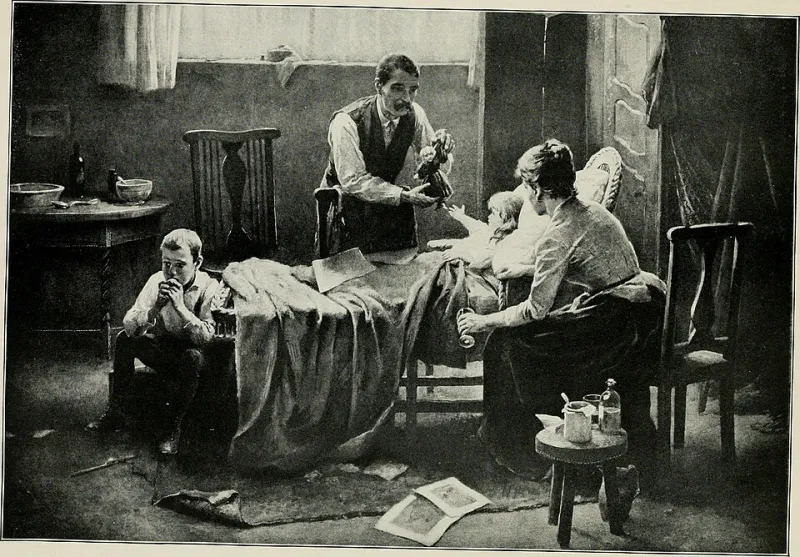
Photo: Raven Winters, CC BY 4.0, via Wikimedia Commons
There is a particular kind of logic that leads people to put off a doctor's visit. The symptom might resolve on its own. The appointment feels inconvenient. The potential diagnosis feels too frightening to confirm. The cost seems prohibitive right now. The waiting room seems like a problem for another Tuesday.
This logic is understandable. It is also, in many cases, quietly expensive—financially, physically, and in terms of the options available to you down the road.
Delayed care is one of the most persistent and underexamined patterns in American healthcare behavior. Surveys conducted by organizations including the Kaiser Family Foundation have consistently found that a significant share of U.S. adults report postponing or forgoing medical care, with cost cited most frequently as the primary barrier, followed by time constraints and uncertainty about whether a concern is serious enough to warrant attention.
The consequences of these delays rarely stay small.
How Conditions Evolve in the Absence of Care
The human body is remarkably adaptive, and many minor ailments do resolve without intervention. A common cold, a mild muscle strain, or a small skin irritation typically improve with time and basic self-care. The challenge is that not every symptom that seems minor actually is—and the two are not always easy to distinguish without clinical evaluation.
Several of the most prevalent chronic conditions in the United States—type 2 diabetes, hypertension, high cholesterol, and early-stage cancers among them—are frequently asymptomatic in their early phases. A person can feel entirely well while a condition advances to a stage at which treatment becomes substantially more complex, more invasive, and more costly.
Consider hypertension, which the American Heart Association estimates affects nearly half of all American adults. Left undetected or unmanaged, elevated blood pressure silently damages arterial walls, strains the heart, and increases the risk of stroke and kidney disease over years or decades. A brief office visit and an inexpensive medication regimen can prevent outcomes that may require hospitalization, long-term specialist care, or permanent disability management.
The math is rarely in favor of waiting.
The Financial Dimension of Delay
Healthcare cost anxiety is one of the most cited reasons Americans avoid or postpone care, and this is not irrational—medical expenses in the United States are genuinely high. However, the financial calculus of avoidance frequently works against the patient in the long run.
Preventive and early-intervention care is, in most cases, dramatically less expensive than treating an advanced condition. A routine screening colonoscopy, for example, can identify and remove precancerous polyps in a single outpatient procedure. Treating colorectal cancer diagnosed at a later stage involves surgery, chemotherapy, radiation, and extended follow-up care—with costs that can reach into the hundreds of thousands of dollars and extend across years.
Similarly, a patient who delays care for a dental abscess, a respiratory infection, or an uncontrolled blood sugar level may eventually present to an emergency department—the most expensive point of entry into the healthcare system. Emergency department visits for conditions that could have been managed in a primary care setting cost an estimated $4.4 billion annually in avoidable spending, according to research published in health policy journals.
Beyond direct medical costs, delayed care contributes to lost productivity, extended recovery times, and in some cases, permanent reductions in earning capacity due to disability or chronic illness management demands.
Decision Paralysis and the Psychology of Postponement
Cost and access are not the only forces at work. A significant driver of delayed care is what behavioral health researchers describe as decision paralysis—a state in which uncertainty, fear, or information overload leads to inaction as a default.
The prospect of receiving a serious diagnosis can feel more threatening than simply not knowing. This avoidance response is psychologically understandable but clinically counterproductive. In nearly every scenario, earlier knowledge of a health condition expands treatment options, improves outcomes, and reduces the emotional burden of confronting a problem that has been allowed to grow.
Another contributor is the difficulty of calibrating urgency. Most people lack the clinical training to distinguish a tension headache from a warning sign of elevated intracranial pressure, or to know whether chest tightness warrants a same-day call or a 911 response. Without a reliable framework for assessing urgency, many individuals default to waiting—and hoping.
Watchful Waiting: When Delay Is Actually Appropriate
It is important to note that not all forms of waiting represent avoidance. In clinical practice, watchful waiting—sometimes called active surveillance—is a recognized and evidence-based strategy for specific conditions. Certain slow-growing prostate cancers, small thyroid nodules, and some benign cardiac arrhythmias are examples of conditions where the risks of immediate intervention may outweigh the benefits, and careful monitoring over time is the appropriate course.
The distinction between appropriate watchful waiting and problematic delay lies in whether the decision is made in partnership with a provider who is actively monitoring the situation—or whether it is made unilaterally, in the absence of professional evaluation.
If a physician has assessed your condition and recommended a period of observation with defined check-in points, that is structured, informed waiting. If you are simply hoping a symptom will disappear without having sought any evaluation, that is a different matter entirely.
A Practical Framework for Assessing Your Own Urgency
While no article can substitute for clinical judgment, a few general principles can help patients make more informed decisions about when to seek care promptly.
Seek emergency care immediately for symptoms such as chest pain, difficulty breathing, sudden severe headache, signs of stroke (face drooping, arm weakness, speech difficulty), uncontrolled bleeding, or loss of consciousness.
Schedule a same-day or next-day appointment for symptoms that are new, worsening, or accompanied by fever; for injuries that limit function; or for any situation in which you feel meaningfully unwell and uncertain.
Book a routine appointment within a week or two for symptoms that are persistent but not acutely worsening—ongoing fatigue, mild but recurring pain, skin changes, or digestive irregularities that have lasted more than a few weeks.
Discuss timing with your provider for conditions already under management, screening overdue by months rather than years, and non-urgent concerns that have been on your mind. These conversations can often happen via a patient portal message or a brief telehealth check-in.
Making the First Move
The pattern of delay is not a character flaw. It reflects the genuine complexity of navigating a healthcare system that can feel overwhelming, expensive, and difficult to access. But the decision to seek care—even when the timing feels imperfect, even when the answer might be uncomfortable—is consistently the decision that serves patients best.
At First Option Medical, the premise is straightforward: accessible, patient-first care means making it easier to take that first step, not harder. Whether you are managing a known condition, navigating a new concern, or simply overdue for a conversation with a provider, the right time to begin is now—before the cost of waiting grows any larger.
Your health does not pause while you deliberate. Neither should your care.