Finding Your Medical Home: A Step-by-Step Guide to Choosing the Right Primary Care Physician
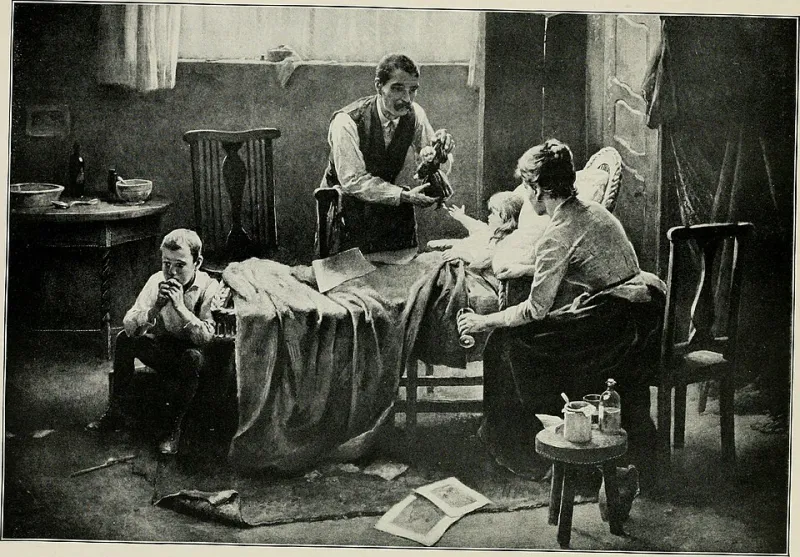
Photo: Internet Archive Book Images, No restrictions, via Wikimedia Commons
For many Americans, the search for a primary care physician begins under pressure — following a new diagnosis, a job change that resets insurance coverage, or a cross-country move that severs ties with a trusted doctor. Approached reactively, the process can feel overwhelming. Approached intentionally, however, it becomes one of the most valuable investments you can make in your long-term health.
A primary care physician is not simply a gatekeeper to specialist referrals. This professional serves as the central coordinator of your overall wellness — someone who knows your medical history, understands your lifestyle, and can identify subtle changes over time that might otherwise go unnoticed. Choosing well, from the very beginning, sets the foundation for better outcomes across every dimension of your health.
Start With the Practical: Insurance and Accessibility
Before evaluating any physician's bedside manner or area of expertise, confirm the basics. Call your insurance provider or log into your plan's online portal to generate a list of in-network primary care physicians in your area. Seeing an out-of-network provider can result in substantially higher out-of-pocket costs, so this step is non-negotiable for most patients.
Accessibility extends beyond geography. Consider the following practical factors:
- Office hours: Does the practice offer early morning, evening, or weekend appointments that align with your work schedule?
- Telehealth availability: Many practices now offer virtual consultations for routine concerns, a convenience that has become increasingly important to American patients.
- Wait times for new patients: Some highly regarded physicians have waiting lists of several weeks or even months. If you have an immediate health concern, this matters.
- Hospital affiliations: Should you require hospitalization, which facilities does this physician have admitting privileges at? Are those hospitals convenient and well-regarded?
These logistical details are not secondary concerns — they directly affect whether you will actually use the care available to you.
Verify Credentials and Professional Background
Once you have a shortlist, take time to research each physician's professional background. Board certification is a critical indicator of competency. A board-certified physician in internal medicine, family medicine, or general practice has completed rigorous training and passed standardized examinations in their specialty.
You can verify board certification through the American Board of Medical Specialties (ABMS) at certificationmatters.org. Additionally, your state's medical board website allows you to check whether a physician holds an active, unrestricted license and whether any disciplinary actions have been taken against them.
Do not hesitate to look at patient reviews on platforms such as Healthgrades or Zocdoc. While individual reviews should be interpreted with nuance, consistent patterns — whether positive or negative — often reflect genuine aspects of a practice's culture and quality of care.
Evaluate Communication Style and Patient Philosophy
Credentials confirm competence. Communication style determines whether you will actually feel comfortable discussing sensitive health issues with this person.
Schedule an introductory appointment specifically to assess fit. Many practices accommodate these brief consultations. During this visit, pay attention to how the physician engages with you:
- Does the doctor listen fully before responding, or do they interrupt and redirect?
- Are explanations offered in plain language, or does medical jargon dominate the conversation?
- Does the physician invite your questions, or does the visit feel rushed?
- Is your personal history — your occupation, your stress levels, your family situation — acknowledged as relevant to your health?
A physician who treats you as an active participant in your own care, rather than a passive recipient of instructions, is far more likely to serve you well over time. At First Option Medical, this collaborative model is central to how we think about the patient-provider relationship.
Ask the Right Questions
Arriving at an introductory appointment with prepared questions signals that you are a serious, engaged patient — and it gives you concrete information to compare across candidates. Consider asking:
- How do you typically handle after-hours concerns or urgent questions between appointments?
- What is your approach when a patient disagrees with your recommended treatment plan?
- How do you coordinate care with specialists if a referral becomes necessary?
- What is your philosophy on preventive care and routine screenings?
- How long, on average, do established patients wait to be seen for a non-urgent appointment?
The answers to these questions will tell you a great deal about how the practice operates and whether its philosophy aligns with your expectations.
Recognize the Red Flags
Just as important as identifying what you want is recognizing what should give you pause. Consider seeking alternatives if:
- The physician dismisses your questions or makes you feel that asking them is an imposition.
- The practice consistently has difficulty accommodating timely appointments for established patients.
- You feel pressured toward specific treatments without a clear explanation of alternatives.
- Staff interactions are disorganized, dismissive, or difficult to navigate.
- The physician appears unfamiliar with your file at follow-up appointments, suggesting insufficient attention to continuity of care.
Your instincts matter here. If a visit leaves you feeling unheard or uncertain, that is meaningful information.
Consider the Long View
The ideal primary care relationship is one that evolves over years. Your physician should be someone who will recognize when your cholesterol numbers begin trending in the wrong direction, who will remember that anxiety runs in your family, and who will celebrate the lifestyle changes you have worked hard to sustain.
This kind of continuity is not incidental — it is clinically significant. Research consistently demonstrates that patients with a stable, trusted primary care relationship experience better health outcomes, lower rates of emergency department utilization, and more effective management of chronic conditions.
Choosing your first primary care physician — or choosing a new one after a gap in care — is not a trivial administrative task. It is a deliberate act of investment in your own future. Approach it with the seriousness it deserves, and do not settle for a relationship that does not feel right.
At First Option Medical, your health is always your choice. We are here to help you make it well.